
At 15, I Crawled Past A Working CO Detector On My Hands And Knees. It Never Made A Sound. I Just Found Out Why.
The green light was on. It was right above me. I looked up at it from my hands and knees. The detector wasn’t broken — it was doing exactly what it was built to do.

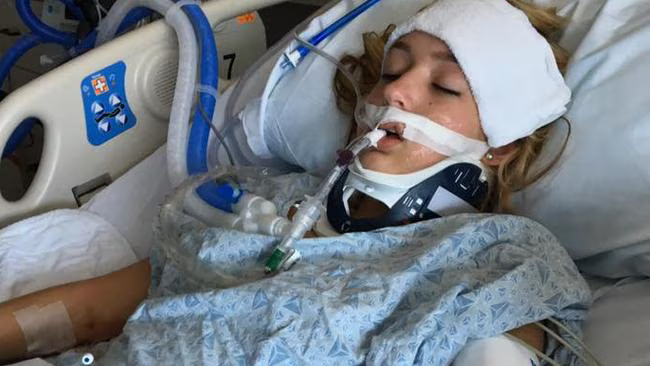
I was 15 the night I threw up on my bathroom floor and couldn’t stand back up.
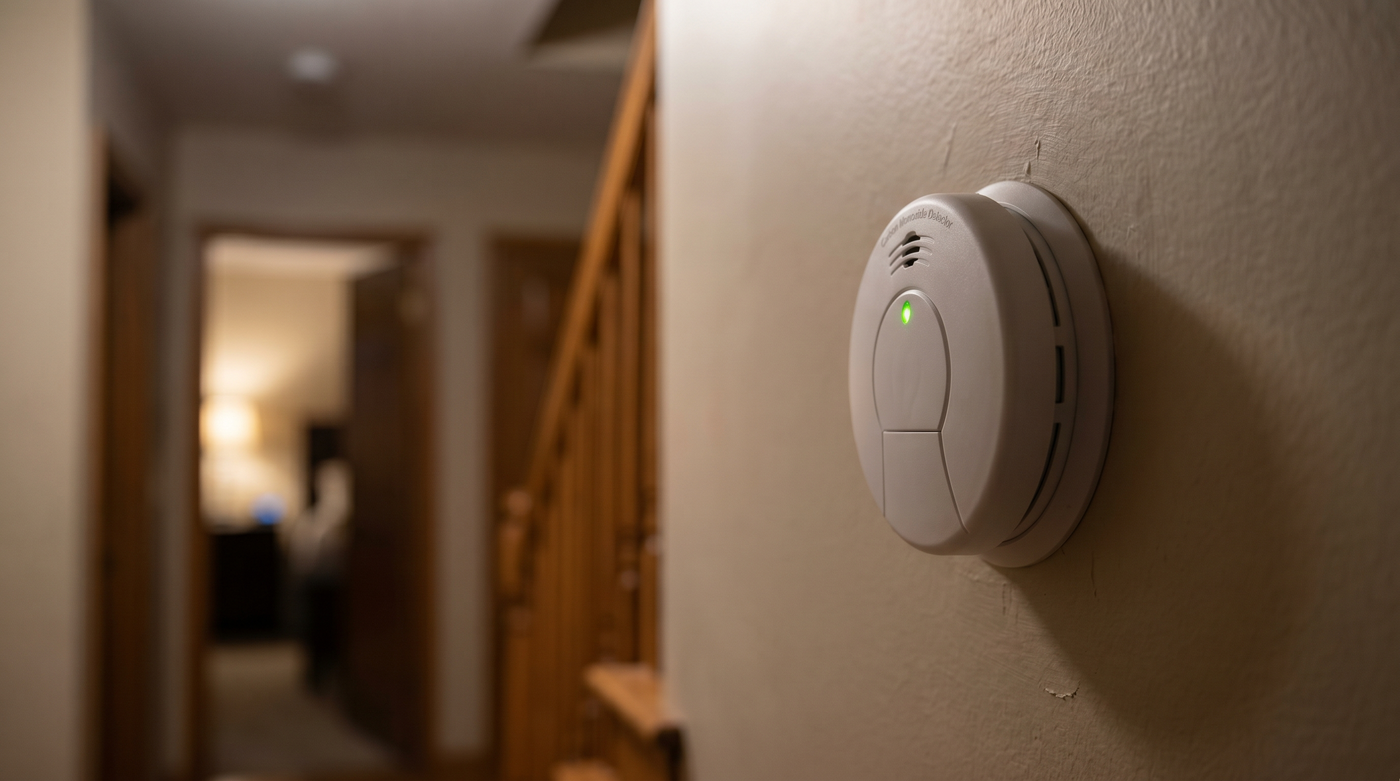
I crawled down the hallway. Past the carbon monoxide detector on the wall. I looked up at it from my hands and knees.
Green light. Working. Silent.
I spent the next four years getting my brain back.
I’m 37 now. I have a 6-year-old son and a 4-year-old daughter. I’ve never told this story outside my family. I’m telling it now because there are kids sleeping tonight under detectors exactly like the one that was on my wall — and I just learned why mine stayed silent.
It wasn’t broken.
It was doing exactly what it was built to do.
That Night
I was a sophomore. Honor roll, JV volleyball, a best friend named Cara who sat next to me in biology.
Three months earlier, the heat exchanger in our furnace had developed a crack. Nobody knew. CO had been leaking into the house since October — most nights between 30 and 55 PPM. Below the detector’s threshold. Silent for three months.
My room was at the end of the hall, closest to the return vent. The furnace pushed CO directly into my room every night while I slept.
We all got sick. Headaches. Nausea. Exhaustion. The doctor said stress. Drink more water.
On January 14th — the coldest night of winter — the furnace ran for eight straight hours. Levels climbed past 70 for the first time. The detector beeped once around midnight. My mom got up, walked to it, saw the green light, pressed the button. It went quiet.
She went back to bed.
By 2 AM it was at 91 PPM.
That’s when I woke up. Room spinning. Couldn’t stand. I tried to yell for my mom and the word wouldn’t come out. I could feel the shape of it. My mouth wouldn’t make it.
I crawled.
Down the hallway. Past the detector. Green light right above me. Working. Silent.
I made it to my parents. Shook my mom. She looked at me like I was a stranger. I crawled to my brother. He was awake, crying — said his head was going to explode.
We got out. Paramedics came. Fire department went inside with meters.
91 PPM in our hallway.
My dad spent four days in the hospital. My mom spent two. My brother spent one.
I spent nine.
What “Damaged” Looks Like When You’re 15
Most people think carbon monoxide either kills you or it doesn’t. You survive. You’re fine. You got lucky.
I didn’t get lucky.
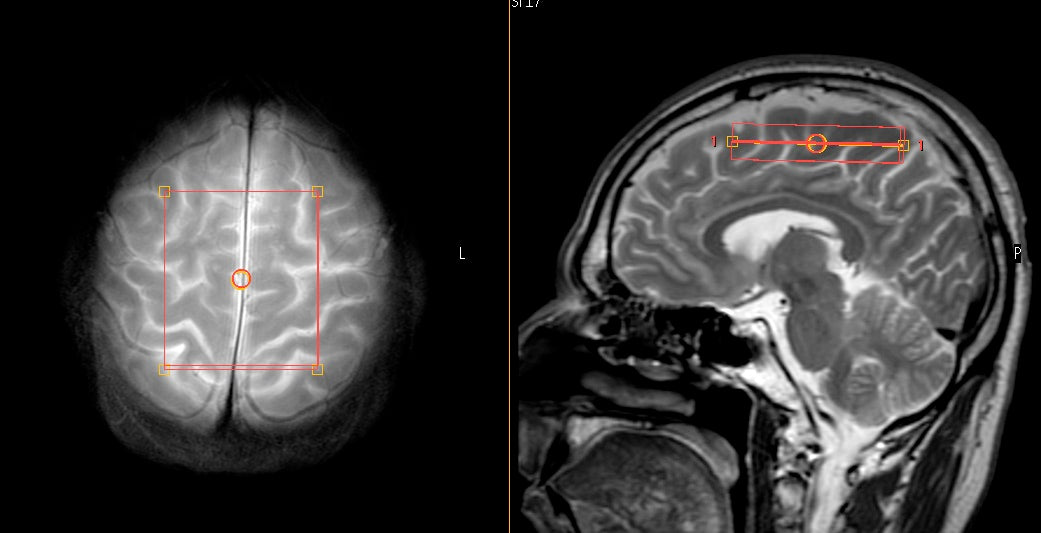
The doctors called it delayed post-hypoxic syndrome. Damage to the parts of my brain that handle reading, memory, and language. Not destroyed. Damaged.
I went back to school in January and I couldn’t read. The letters were there but they wouldn’t form into words. I’d stare at a sentence and feel like I was listening to a conversation in a language I’d almost learned.
I forgot my locker combination — three numbers I’d used since freshman year. Gone.
I forgot Cara’s phone number. I’d dialed it a thousand times. Gone.
I forgot the rules of volleyball — the thing I’d played since seventh grade. Stood on the court at practice and couldn’t remember where to stand.
Cara visited every day the first week. Then every few days. Then once a week. By March she stopped coming. Not because she was cruel. Because I wasn’t the same person.
You can’t be best friends with someone who can’t remember yesterday.
I missed the rest of sophomore year. I repeated it. By junior year I was functioning. Not thriving. Functioning. I carried a notebook everywhere because I couldn’t trust my memory.
I’m 37. I still carry it.
My husband thinks it’s a quirk. Nobody else knows what happened to me when I was 15.
What Nobody Told My Parents
For 22 years I closed the door on what happened. I didn’t research it. I didn’t look into detectors. I didn’t read the standard. When you survive something like this, you don’t want to go back inside it. You just want it to be over.
Then last September my 6-year-old son started complaining about headaches after school. Every day. For a week.
My husband said screens. Probably needs glasses.
I heard him say that and my body went cold.
Because I’ve heard it before. Probably stress. Probably hormones. Probably screens. The same kind of thing a doctor told my mother in 2002, while my brain was soaking in carbon monoxide every night.
That night I pulled the CO detector off my wall. Battery. Green light. Same kind my parents had. Same kind that sat silent the night my brain changed. I’d been living with it for four years. Never thought twice about it.
Then I did what I should have done 22 years ago.
I looked up the standard.
Every CO detector sold in America is built to a standard called UL 2034. Under that standard, a detector is not required to make a sound below 70 PPM. At all. Ever.
At 30 PPM — silent. Indefinitely.
At 50 PPM — silent. Indefinitely.
At 70 PPM — the point where an adult gets a headache — allowed four hours before any noise.
Four hours.
My family breathed 30 to 55 PPM every night for three months. The detector sat silent because those levels are below the threshold. Below what the standard considers worth mentioning.
On January 14th, levels climbed past 70 for the first time and ran for eight hours while we slept. The detector beeped once. My mom silenced it. By 2 AM it was at 91.
That detector — the one my dad changed batteries on every fall, the one I could see from my pillow, the one with the green light — was allowed to stay silent while my brain was being rewritten in my sleep.
That’s not a malfunction. That’s the standard.
According to the CDC, more than 8,000 Americans walk out of hospitals every year with permanent CO damage. Most never knew their detector had stayed silent.
And at 15, the neural pathways that handle reading and memory are still forming. CO doesn’t just damage developing pathways.
It erases them.
What I Found Instead
I found it on an HVAC forum the same week. A furnace tech had recommended it to a parent describing the exact symptoms my mother described in 2002 — headaches that came and went, fatigue nobody could explain, a detector that never went off.
He said: stop looking at green lights. Get something that shows you the number.
It’s called AirGuard. A company called Primo Goods makes it. I’m not affiliated with them — I just bought one, then two more.
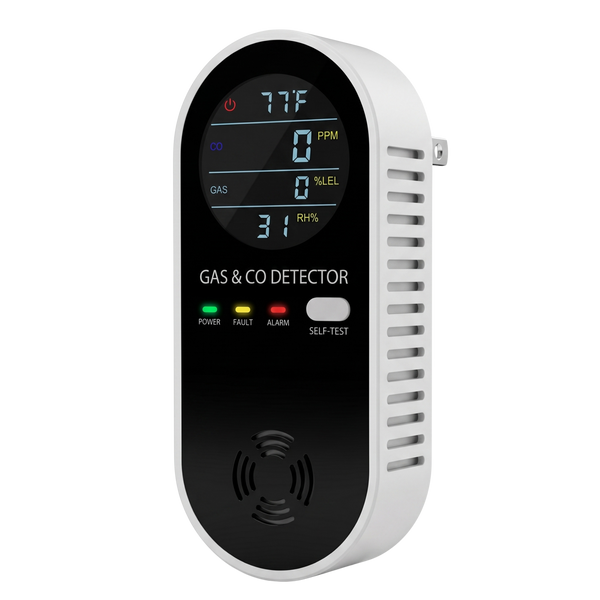
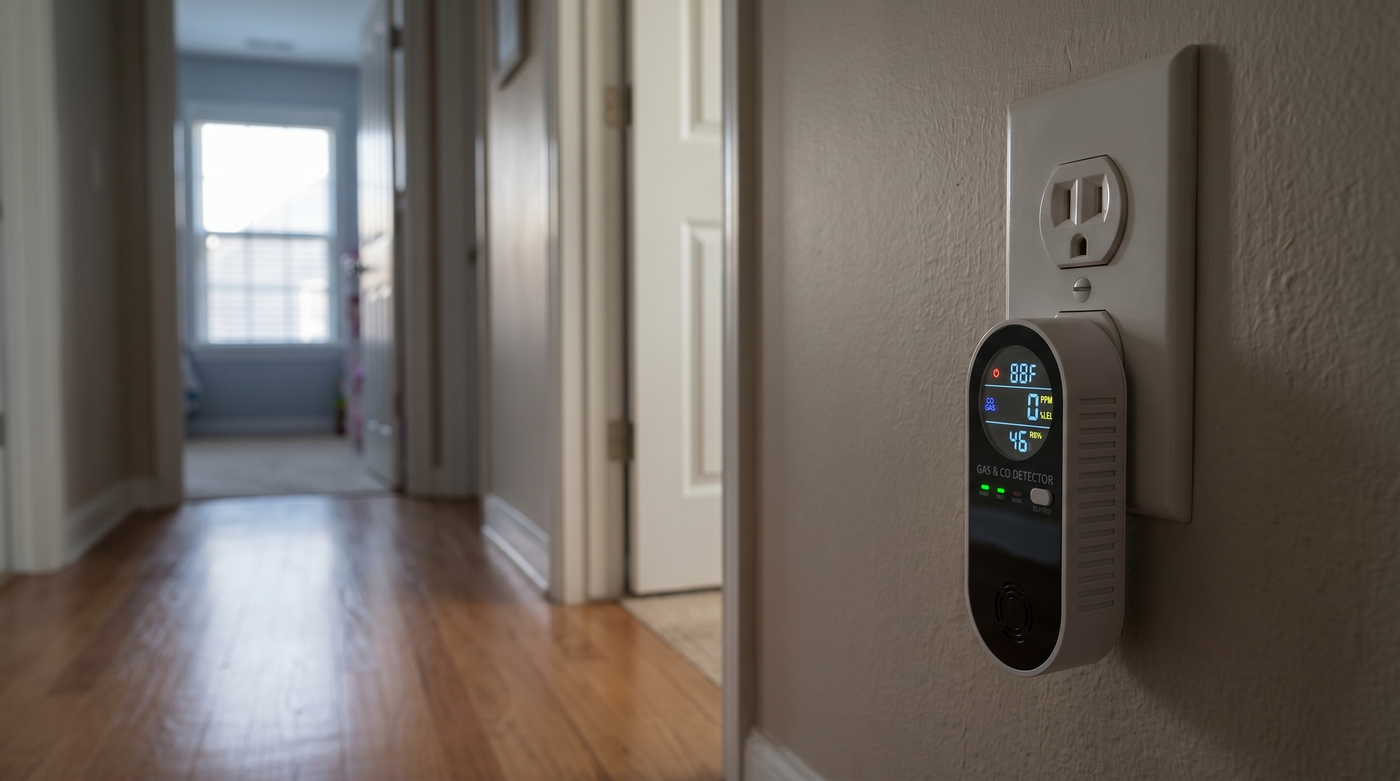
CO, gas, temperature, humidity — all visible at once.
Not a green light. A number. Zero means zero — not a glow that could mean anything, but an actual zero you can read from across the hallway.
And it doesn’t just see CO. Gas leak? Propane? Your old battery detector is completely blind to those. This one sees all of it. One device. Plug it in. No battery to forget about.
The Morning It Wasn’t Zero
I put one in the hallway outside the kids’ rooms. One in the kitchen by the gas range. One for my parents’ house — Dad’s 73 now, same house, new furnace, but I can’t look at his hallway without seeing the green light from my childhood.
For three weeks everything read 0. Every morning. Every night. My son’s headaches went away — new glasses. My husband was right.
This time.
A Thursday morning in November. 6:15 AM. Walking to the kitchen.
I glanced at the display.
18.
I stopped.
18 PPM. Furnace had been running all night. First real cold snap of the season.
I didn’t wait. I didn’t wonder. I didn’t press a button.
I got both kids out of bed. Shoes, coats, car. Drove to my mom’s house.
My husband called on the way. He didn’t understand. How could he. He’s never been on a bathroom floor at 2 AM unable to say the word mom. He’s never crawled past a green light on his hands and knees. He’s never spent four years relearning how to hold a thought.
He doesn’t know what 18 becomes.
I do.
HVAC company came that afternoon. Hairline crack in the heat exchanger. Left side. Just starting. The tech said it was minor. Would’ve gotten worse through winter.
Minor.
I was 15 when a minor crack ran for three months and I spent nine days in the hospital.
My old detector — the battery one with the green light — would’ve been silent at 18.
Silent at 30. Silent at 50. Silent at 60.
It would’ve waited for 70 and maybe beeped. Maybe my son would’ve heard it.
Maybe he wouldn’t.
I don’t do maybe. Not with this.
Your Kids Shouldn’t Have To Recover From Anything
I think about being 15 every time I walk past that display.
I think about the bathroom floor. The cold tile. The word that wouldn’t come.
I think about Cara. How you can lose a best friend without a fight — just a slow fade because your brain can’t hold the thread.
I think about the notebook I still carry. Twenty-two years of writing things down because I can’t trust my own head.
And I think about the 18 on my hallway wall. A quiet number on a small screen my old detector would have ignored forever.
That 18 is the reason my son isn’t starting the same story I started at 15.
I’m not selling anything. I’m a 37-year-old mother who lost four years of her life to a gas she couldn’t see, in a house with a working detector. And I will not let that happen to my kids.
If your detector doesn’t show a number — if all it does is glow green and wait for 70 — it’s the same thing my dad had on the wall the winter I forgot how to say my mother’s name.
You don’t have to buy this one. But please — get something with a screen. Something that shows you 18 at 6 AM before it becomes 91 at 2 AM.
Because I survived. I recovered.
Mostly.
It only cost me four years. A best friend. A locker combination. A volleyball team. And a version of myself I’ll never get back.
Your kids shouldn’t have to recover from anything.
0 PPM every morning — until the morning it wasn’t.
Rachel — thank you for writing this. My sister had a similar incident in 2018, not as severe as yours but she had headaches for weeks before they figured out it was a faulty water heater. The detector in her hallway never made a sound. She still has trouble with short-term memory and she’s only 31. I just ordered three of these for her house.
Jennifer — I’m so sorry about your sister. The memory stuff is the part nobody warns you about. Please tell her she’s not alone, and tell her doctor about the prolonged exposure if she hasn’t already — some neuro symptoms can keep improving years after the fact. Sending love.
I’m an HVAC tech in Minnesota and I see this every winter. Heat exchangers crack, people don’t notice for weeks because their detector is staring at 20-30 PPM doing nothing. The UL 2034 standard is genuinely a problem and most homeowners have no idea. Bought four of these for my parents and in-laws last month. Highly recommended.
My neighbour’s family had to evacuate last Christmas Eve when their detector finally went off. Their three kids had been complaining about “feeling weird” for two weeks. Hospital confirmed elevated CO. The little one is 5 and still in speech therapy. Reading this gave me chills — we have the same kind of cheap detector. Replacing it tomorrow.
This is exactly what scares me. Kids can’t tell us what’s wrong in the way adults can. Hope your neighbour’s little one keeps improving — I’ve heard speech can come back a lot, especially at that age.
Got mine last month after our gas company found a slow leak behind the dryer during a routine inspection. Old detector never beeped. New one immediately flagged 8 PPM in the laundry room. Worth every cent for the peace of mind alone. Set it up in 30 seconds — literally just plug it in.
I had unexplained headaches every morning for almost six months before figuring out it was the new gas range. Levels were never high enough to trigger our old alarm. Once we got something that actually showed the number it was obvious. I’ve since recommended this to half my book club — two of them ordered after my story.
Sarah this is wild — I’ve been getting morning headaches for like 4 months and we just remodeled the kitchen with a gas range. Ordering one right now.
Firefighter here. Can confirm everything in this article. We respond to so many CO calls in winter where the family swears their detector was working — and it was, technically. It just hadn’t hit the threshold yet. By the time it does, people are already on the floor. A detector with a live PPM display would prevent a lot of these calls. Get one.
Thank you for what you do. My dad was a firefighter for 32 years. He always said the same thing about CO calls — the detectors that “worked” were the worst part of the job.