
400 Americans Will Die From Carbon Monoxide This Year. Every Single One Had A Working Detector On The Wall.
A firefighter explains why the CO detector on almost every American wall is doing exactly what it was built to do — and why that’s the problem.
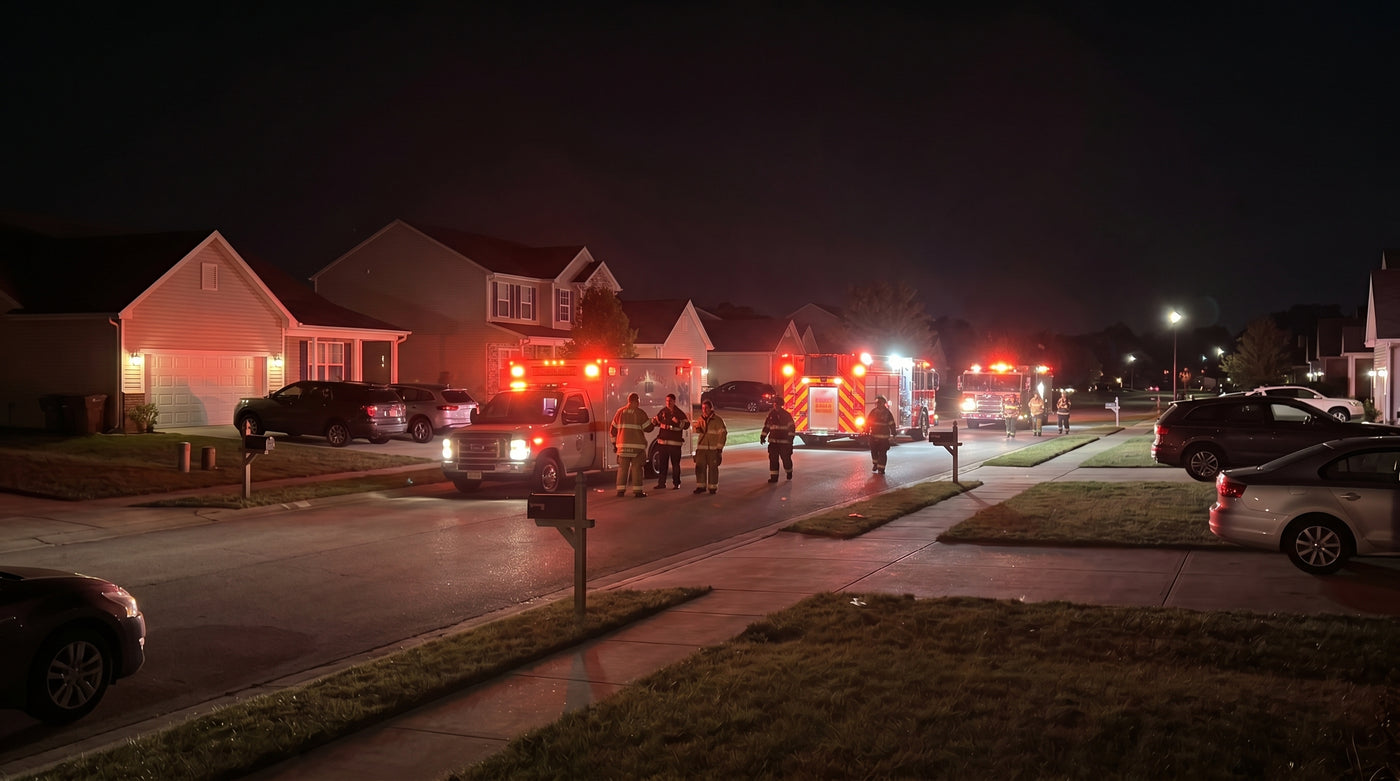
3:17 AM. Late January. Dispatch said: possible carbon monoxide, family of four.
We pulled up and the front door was wide open. A woman on the porch in a bathrobe. Phone in one hand, little girl in the other. No shoes. Twenty-two degrees out.
She said: my son. He’s on the kitchen floor. I can’t wake him up.
That NightThe Boy On The Kitchen Floor
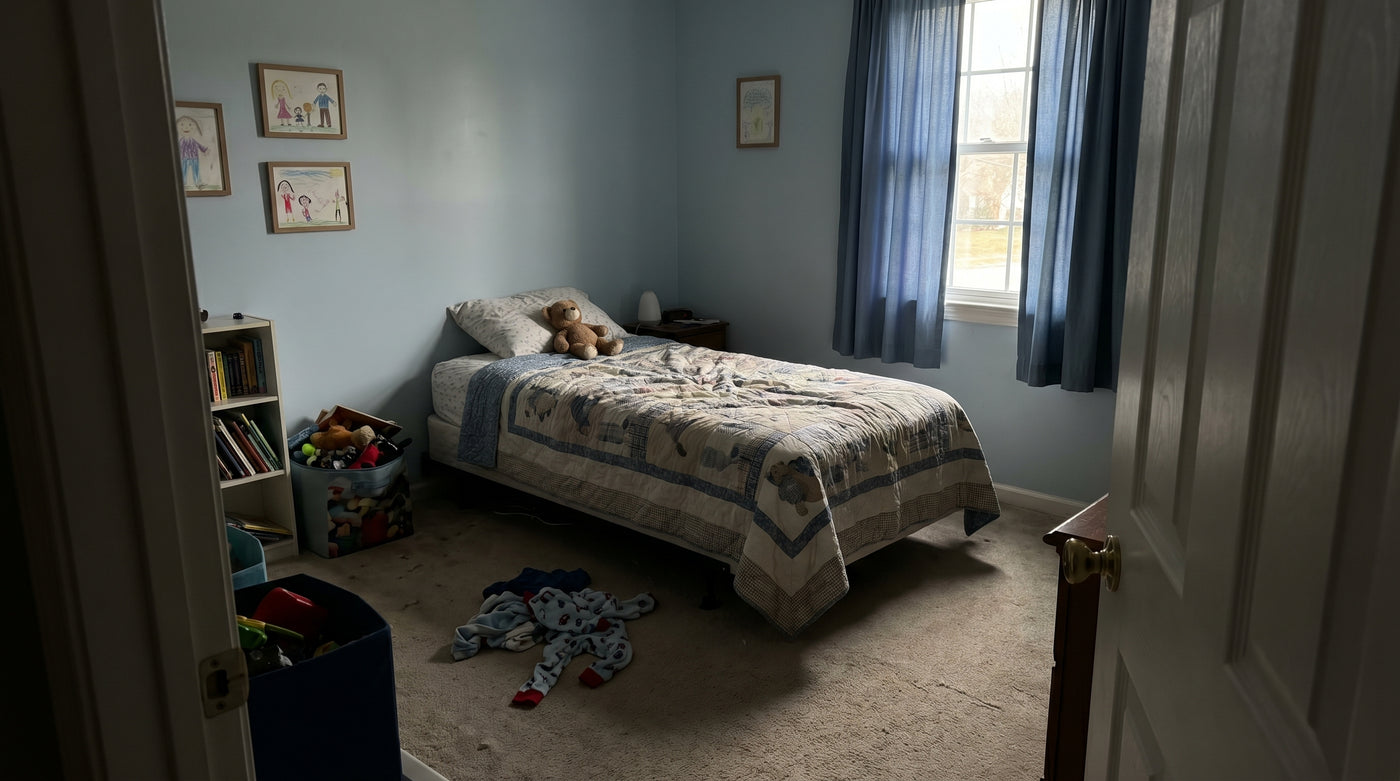
He was eight years old. Pajamas with rockets on them. Face-down on the linoleum, two feet from the back door.
He’d tried to get out. He didn’t make it.
He had a pulse. Barely. We got him on oxygen and into the ambulance.
He’s alive.
Now I want to tell you about that detector. It was mounted in the hallway, right where you’d expect it. Six feet from where I’d just found him. And it had its little green light on.
Just… glowing.
I pulled it off the wall and flipped it over. Name-brand. Manufactured the year before. The exact kind I had on my own wall at home.
My meter was still on from when I walked in. Entryway read 48. Hallway, 61. Kitchen doorway — 74.
The dad was on the curb by then, wrapped in one of our foil blankets. I asked him about the detector. Eight months old. Bought it at a big-box store. His wife tested it every month.
“It always beeps when she pushes the button,” he said.
Here’s what nobody tells you about that test button. It tests the speaker. Not the sensor.
It checks whether the thing can make noise. It tells you nothing — absolutely nothing — about whether it can still actually detect carbon monoxide.
Your detector could have a dead sensor right now and it would still pass that test. Green light. Beep. Everything looks fine.
“It’s supposed to keep us safe.”
That’s what he said, sitting there at 3:47 in the morning, watching his son get loaded into an ambulance.
I didn’t have the heart to tell him what I’d just figured out. His detector wasn’t broken.
It was working exactly the way it was designed to.
The Line On The Box That Lies To You
When I got home that morning I sat at my kitchen table and looked it up.
There’s a standard called UL 2034. Every cheap CO detector in America is built to meet it. It’s the little line on the box — “Complies with UL 2034” — that makes you think you’re okay.
Ninety percent of homes have one of these. If you bought yours at a big-box store, it meets UL 2034. That’s all it has to do.
I had to read the actual standard three times, because it doesn’t say what you think it says.
At 30 parts per million — it can stay silent. Indefinitely.
At 50 — same thing. Silent.
At 70 — the level where an adult starts getting a headache — it’s allowed to wait up to four hours before it has to make any sound at all.
Four hours.
Let me tell you what 70 parts per million does to a sleeping child over four hours. Their blood-oxygen drops, slowly. They get a headache they’ll never wake up to feel. Their breathing goes shallow.
It doesn’t hurt. That’s the thing. It feels like being tired. Like being warm. Like wanting to sleep a little longer — so they do.
And if they’re asleep when it starts? They lose consciousness before they ever wake up. No coughing. Nothing in their body that says get up, get out.
That’s what carbon monoxide does. It kills around 400 people a year, and sends more than 100,000 to the emergency room — most of them sure they just had the flu.
Accidental carbon monoxide deaths have risen in recent years
And by the time that detector on your wall is legally required to make a sound, a small child in the house is already past the point of being able to walk out of it.
That’s not a malfunction. That’s not a broken detector. That’s not an expired unit.
That is the design.
That MorningI Threw Mine In The Dumpster On The Way To My Next Shift
I walked to my own hallway and looked at my own detector. Same brand. Same green light. Same “I test it every month, it always beeps.”
Ninety percent of homes. That included mine. That probably includes yours.
I went out to my truck and came back with my department meter. Walked every room. Zero everywhere. We were fine. That night, we were fine.
But I did the math. Say my furnace cracks tonight. It starts pushing CO into the vents at 2 AM. My detector sits on that wall with its green light on, doing absolutely nothing.
For the first three and a half hours, my daughters are breathing it. And by the time it decides to beep, it’s beeping at a kid who can’t walk to the door anymore.
I pulled it off the wall and threw it in the dumpster on the way to my next shift.
A guy at my station — Ray, twenty-three years on the job — saw me looking at detectors on my phone a few days later. He took the phone out of my hand.
“You’re looking at the wrong thing,” he said. “Every one of these is the same detector. Every one meets UL 2034. Every one waits until 70.”
Ray’s brother-in-law is an HVAC guy. Thirty-one years. Cracked heat exchangers are basically his whole career. He pulled up a photo on his phone — what his brother-in-law has on the wall at his own house, where his grandkids sleep when they visit.
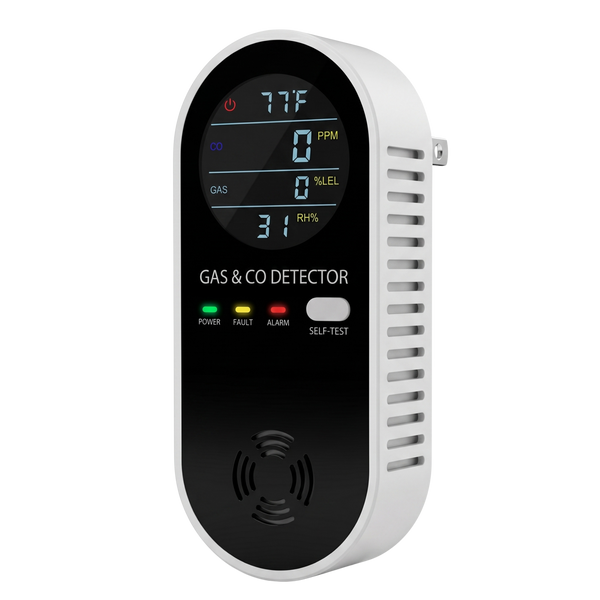
It didn’t look like a consumer detector. It looked like a piece of equipment. A digital screen. An actual number on it. Not a green light that just sits there — a number.
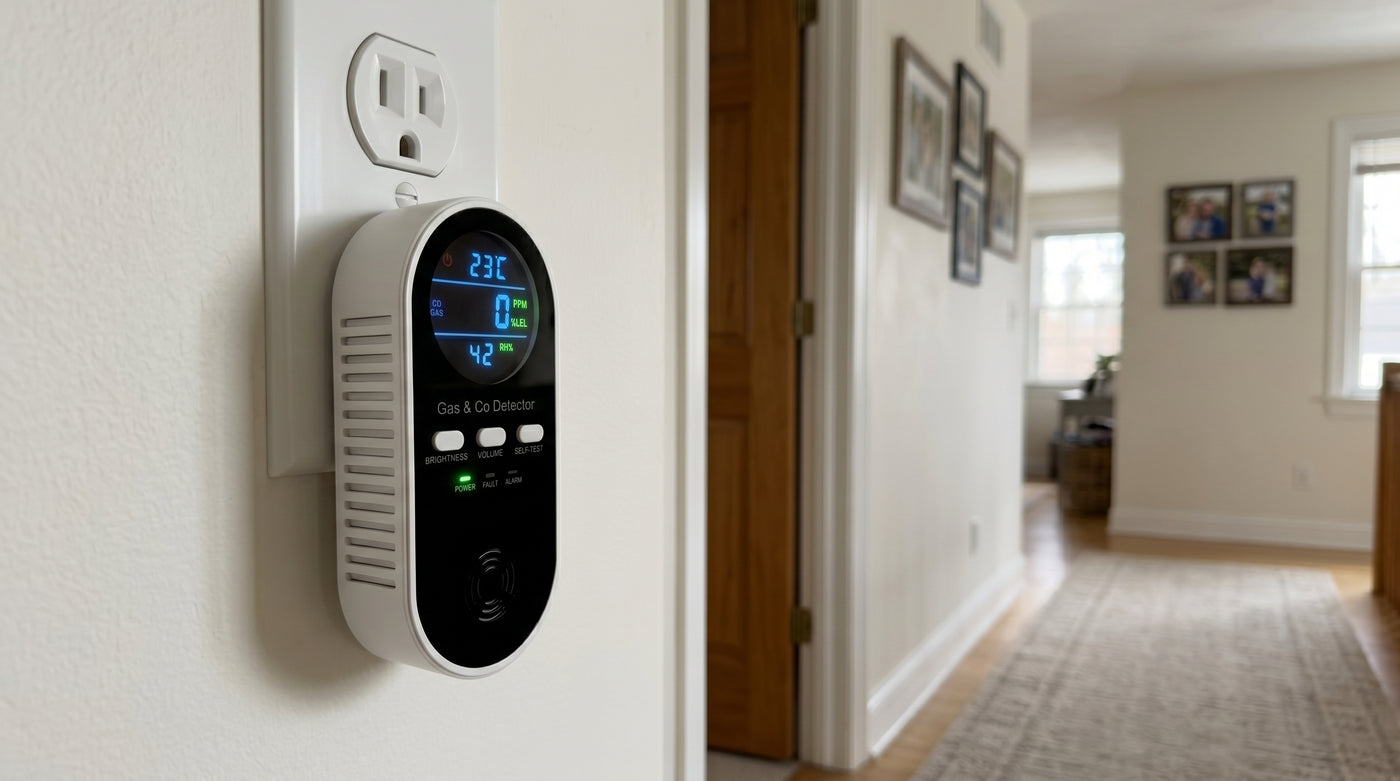
“Ten parts per million,” Ray said. “Not seventy. You want to know something’s wrong? This tells you at ten.”
I ordered a pack while we were still standing at the break-room table.
Fourteen Months LaterThe Morning It Didn’t Say Zero
It’s been on the wall in my hallway for fourteen months now. I can see it from my daughter’s door. It has read 0 every morning for fourteen months.
Except one morning.
It was a Tuesday. I was pulling my boots on for a 7 AM shift. My wife was at the counter making coffee. She said: Dan. Come look at this. She was pointing at the screen.
It said 12.
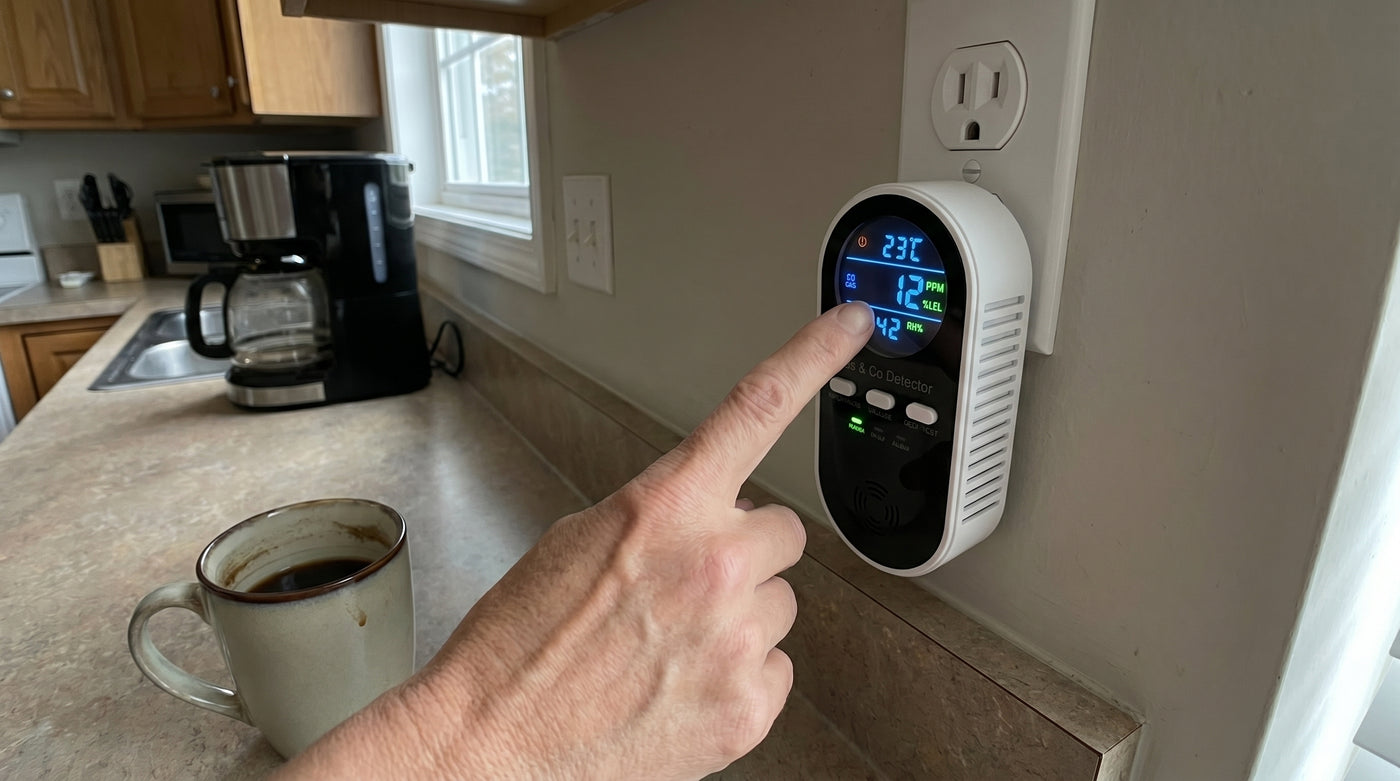
Twelve parts per million. In my kitchen. At 6:34 in the morning. While my daughters got dressed for school upstairs.
A normal detector — the kind that was on that wall before — would have shown a solid green light and made no sound at all. Twelve is invisible to that thing. Twelve is “you’re safe” according to the standard.
Twelve is also the first sign your furnace is about to start killing you.
I shut the furnace off and called an HVAC guy before I even put my coat on. He was at the house by nine. Pulled the panel off the furnace and waved me over with a flashlight.
There it was. A crack in the heat exchanger. Hairline. You could barely see it.
“Fires irregular,” he said. “Give it another week of cold nights, this goes from 12 to 80 in the middle of the night. You’d wake up with a headache. If you woke up.”
He replaced the furnace that afternoon. That night my daughter climbed into bed and slept through the night the way a kid is supposed to.
Because of a number on a screen. Not a green light.
What’s On My WallThe One I Bought
The thing is called Sentivo Detector™. A company called Primo Goods makes them. I’m not affiliated with them — I just bought one, and then a few more for the rest of the house.
The whole trick is that there’s a screen on the front. You walk past it, you glance at it, you see the actual number. Zero in the morning. Zero at night. Zero for fourteen months straight — except that one Tuesday.
It starts making noise at 10 PPM, not 70. You catch the problem while it’s still just a problem — not an emergency. While your kids are still breathing clean air. While you’ve still got time to call an HVAC guy, not 911.
It picks up natural gas too, not just CO — same unit, two sensors. You plug it in. No ladder. No battery to forget about.
Last I checked it was $119 for two, $199 for four, or $339 for eight. Whichever covers your floors. I got the four-pack — one per floor, plus the furnace and the kitchen.
One Last ThingTonight Your Furnace Is Going To Turn On
Five months after I put Sentivo Detector™ on my walls, dispatch sent us to a house three streets over from mine. CO alarm going off. Family evacuated.
I pulled up and recognized the house. I’d been there back in March on a small kitchen fire. Walking out that day I’d noticed their detector — the old kind — and mentioned it. Casually, on the porch, on my way to the truck.
They’d ordered a pack the next week.
And now here they were. In September. Standing on their lawn in pajamas. Mom, dad, two teenage daughters. Shaken. Awake. Alive.
The alarm had gone off at 12 PPM. They got out. Called 911. By the time I went inside with my meter, the basement was reading 68 and climbing. Cracked heat exchanger. Same story I’ve seen a dozen times.
But this family got out at 12. Not 70. Not four hours later. Not almost-too-late.
Wide awake. Walking. Alert. Alive.
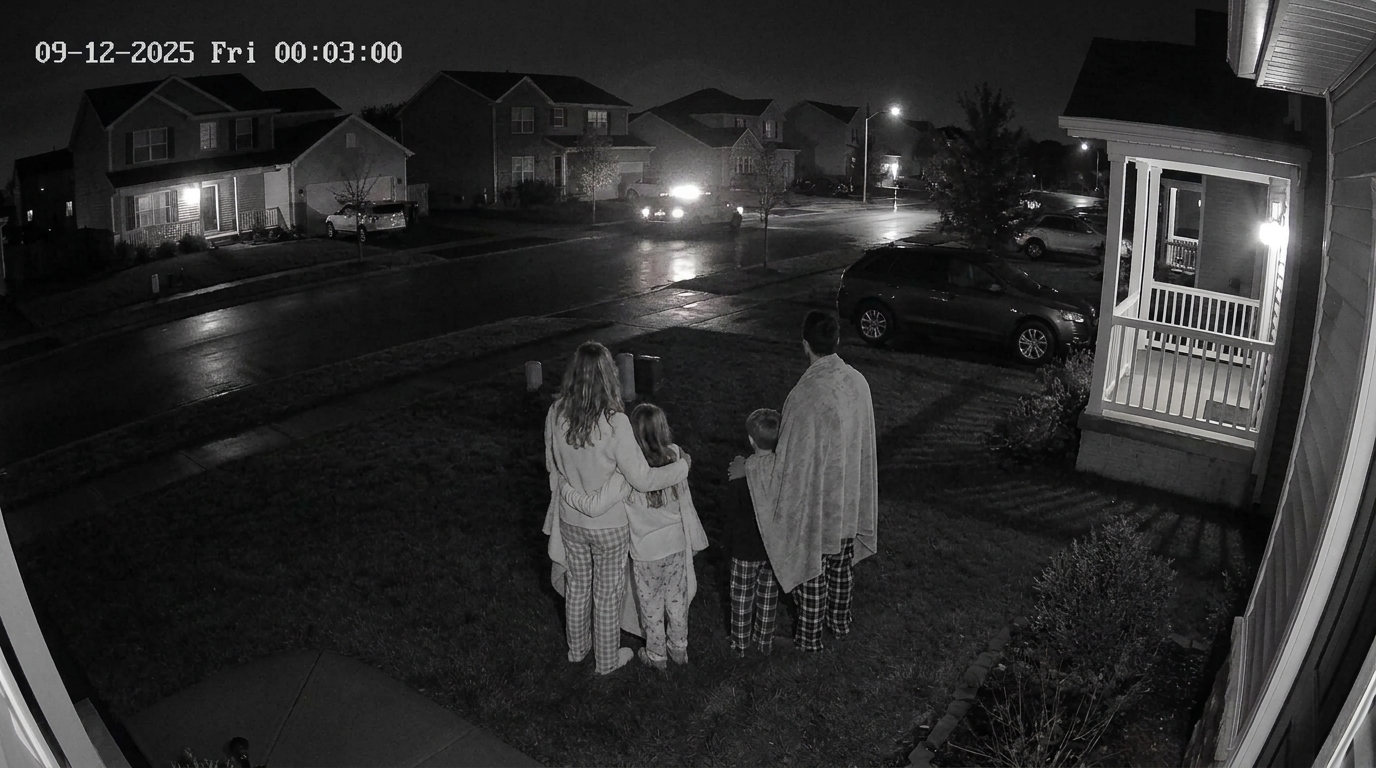
The mom hugged me on the lawn. Said you saved our lives. I said no. That thing on your wall did.
Tonight your furnace is going to turn on. Same as every night.
And the detector on your wall is going to sit there with its green light glowing. Same as every night.
And you’re going to go to sleep hoping the standard it was built for covers the kind of leak your furnace is going to have. If it has one. When it has one.
I’m not going to tell you what to do. I’m not a salesman. I’m a guy who walked into a kitchen in January and found an eight-year-old boy who almost didn’t make it — because of a standard nobody told his dad about.
You can keep hoping. Or you can put a number on your wall.
“Our old detector had its green light on for nine years. We tested it every month — it always beeped. Last December my wife started waking up with headaches. I bought Sentivo Detector™ mostly to prove nothing was wrong. First night it read 38 in our bedroom. The old one? Still green. Still silent. HVAC guy was at the house the next morning.” — David K., Michigan
“Thirty-one years in HVAC. I’ve pulled apart more cracked heat exchangers than I can count. When my daughter bought her first house I drove over with two Sentivo Detector™s and plugged them in before I’d even sat down. It’s the only one I trust in a house with kids in it.” — Robert T., Pennsylvania
“I’m 74 and I live alone. My son put one of these in my hallway last Christmas. Every morning I walk past it and it says 0. Sounds silly but it’s the first thing I check now. He calls on Sundays and the first thing he asks is what’s the number say mom. Knowing beats hoping.” — Betty W., Florida
Put a number on your wall with Sentivo Detector™
This is an advertorial. The author shares a personal account; individual experiences vary. Sentivo Detector™ is a supplemental monitor designed to work alongside — not replace — the primary CO and smoke alarms required for your home. Always maintain working, code-compliant alarms and follow the guidance of qualified professionals and your local fire department.
Note: Sentivo Detector™ was previously sold under the name AirGuard. Same product, same manufacturer — only the name has changed.
© 2026 The Homestead Report. Names and identifying details in personal accounts have been changed.